
Introduction to Advanced Oncology Treatments
Today, advanced treatments in oncology are changing how we fight cancer. These new methods offer hope and better results for many patients. Because cancer is complex, doctors use several tools to treat it. For example, they may use surgery, targeted drugs, or even your own immune system. In this blog, you will learn about the latest cancer treatments, how they work, and what they mean for you or your loved ones.
Surgical Advances in Cancer Care
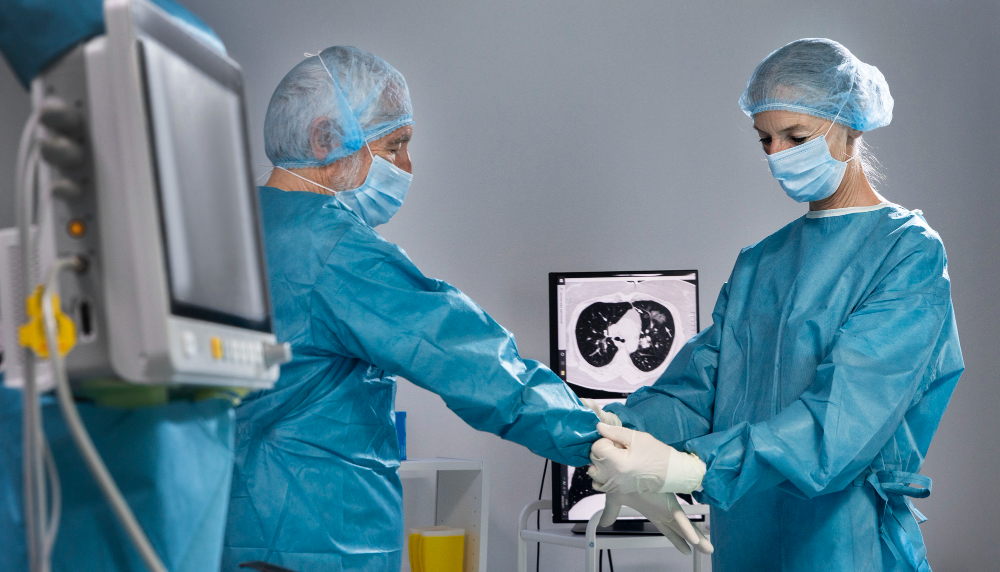
Surgery has long been a key part of cancer care. However, new surgical methods now make treatment safer and more effective. For instance, doctors can use tiny cameras and special tools to remove tumors with less pain and faster healing. These are called minimally invasive surgeries. In some cases, robotic surgery helps doctors reach hard-to-access areas. As a result, patients often spend less time in the hospital and recover more quickly.Minimally invasive surgery uses small cuts and special tools.Robotic surgery gives doctors more control and precision.Better imaging helps doctors see tumors more clearly.
Still, not every patient needs surgery. Doctors choose the best option based on the type and stage of cancer.
Radiation and Chemotherapy Innovations
Radiation and chemotherapy have been used for many years. Yet, recent advances make these treatments safer and more targeted. For example, new machines can focus radiation beams directly on tumors. This means less harm to healthy tissue. In addition, some chemotherapy drugs are now delivered in ways that reduce side effects. Because of these changes, more people can finish their treatment with fewer problems.Advanced radiation targets only the cancer cells.New chemotherapy drugs are more precise.Side effects are often milder than before.
Even so, some patients may still feel tired or sick during treatment. Doctors will help manage these symptoms.
Targeted Therapies and Immunotherapy
Now, doctors can use targeted therapies to attack cancer cells directly. These drugs find and block specific changes in cancer cells. As a result, they often cause fewer side effects than older treatments. Immunotherapy is another breakthrough. It helps your own immune system find and destroy cancer. For many people, these advanced cancer care options offer new hope, especially when other treatments have not worked.Targeted therapies block cancer cell growth.Immunotherapy boosts your body’s natural defenses.Some treatments are given as pills or infusions.
However, not all cancers respond to these treatments. Your doctor will check if they are right for you.
Precision Oncology: Personalized Cancer Treatment
Precision oncology is a new way to treat cancer. It uses information about your genes and the cancer’s genes to choose the best treatment. Because every person and every cancer is different, this approach is very personal. For example, doctors may test your tumor to find changes that can be targeted with special drugs. This is called personalized cancer therapy. The benefits of precision oncology include better results and fewer side effects.Treatments are chosen based on your unique cancer.Doctors use genetic tests to guide therapy.Precision oncology benefits include higher success rates.
Still, these tests and treatments may not be available everywhere. Ask your doctor about advanced cancer treatment options in your area.
Benefits, Risks, and Considerations
Advanced treatments in oncology offer many benefits. For instance, they can improve survival and quality of life. Yet, every treatment has risks. Some people may have side effects, such as tiredness, nausea, or infections. Therefore, it is important to talk with your doctor about what to expect. They will help you weigh the pros and cons of each option.Benefits: better results, fewer side effects, more choices.Risks: possible side effects, not all treatments work for everyone.Considerations: cost, access, and personal health needs.
Always ask questions and share your concerns with your care team.
Prevention and Lifestyle Guidance
While advanced treatments help many people, prevention is still key. You can lower your cancer risk by making healthy choices. For example, eat a balanced diet, stay active, and avoid tobacco. In addition, regular check-ups can help find cancer early, when it is easier to treat. The World Health Organization and CDC recommend these steps for everyone.Eat fruits, vegetables, and whole grains.Exercise most days of the week.Avoid smoking and limit alcohol.Get regular cancer screenings as advised.
Even small changes can make a big difference over time.
Conclusion & Call-to-Action
“In summary, advanced treatments in oncology are giving hope to many people. From surgery to precision oncology, new options are improving care every day. However, each person’s cancer journey is unique. Therefore, consult Dr. Amit K. Jotwani at Cancer Roko to discuss the best advanced treatment options for your needs.”